Milton Keynes City Council has confirmed plans to bid for UK City of Culture 2029, a move that could unlock up to £10 million in government funding and deliver long-term economic benefits for businesses across the city.
The competition, previously won by cities including Coventry, Hull and Bradford, is widely regarded as a catalyst for regeneration, inward investment and growth in the visitor economy. If successful, the bid would place Milton Keynes at the centre of a multi-year programme of cultural activity, infrastructure investment and national profile-raising.
For businesses, the opportunity extends beyond arts and culture. Previous host cities have reported increased footfall, higher visitor spend, expanded events programmes and stronger place branding — factors that directly affect hospitality, retail, leisure, property and the wider supply chain.
The Milton Keynes bid has attracted early backing from major local institutions and employers, including The Open University, Stadium MK and Universal, which is planning the UK’s largest visitor attraction close to the city. Their support signals growing private-sector confidence in culture as part of the city’s long-term growth strategy.
The bid also aligns with ongoing regeneration and infrastructure projects across Milton Keynes, including city centre investment, new event venues and development plans in Bletchley. Supporters see the City of Culture programme as a way to accelerate momentum already underway rather than start from scratch.
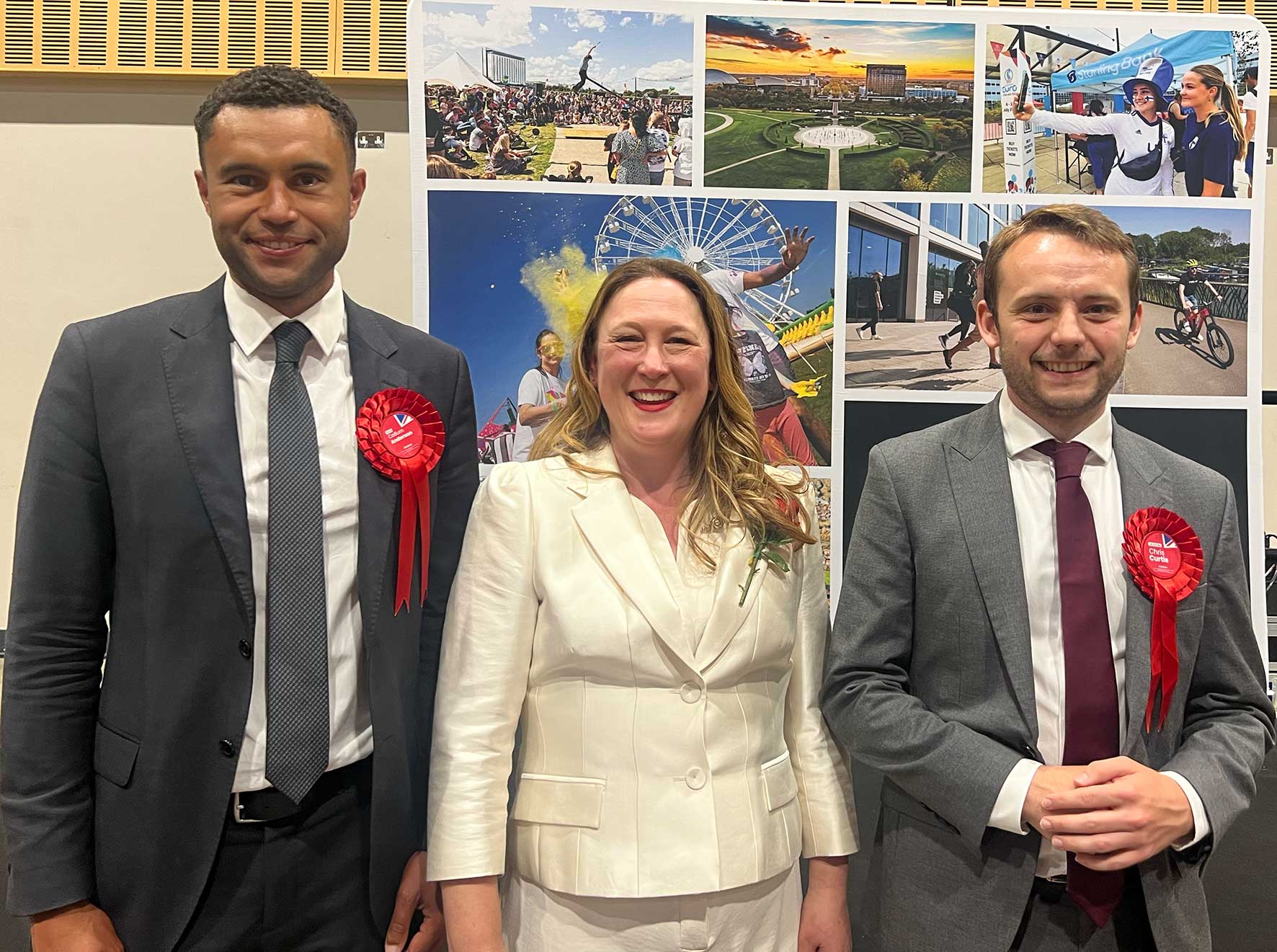
All three Labour MPs representing Milton Keynes have publicly backed the bid, reinforcing political support at national level. While cultural programming will sit at the heart of the application, the emphasis is expected to be on economic impact, accessibility and showcasing Milton Keynes as a modern, well-connected city with a diverse and growing population.
Councillor Shanika Mahendran, cabinet member for planning and placemaking at Milton Keynes City Council, said the bid reflects a shared vision for the city’s future. She said Milton Keynes’ existing cultural assets, combined with strong business and institutional support, place it in a competitive position.
For business leaders, the bid represents a potential inflection point. A successful outcome would bring increased visibility, funding and collaboration opportunities, while failure would still leave a legacy of partnership-building and strategic focus on culture-led growth.
The City of Culture competition is expected to intensify over the coming months, with Milton Keynes’ challenge being to translate cultural ambition into a compelling economic case that resonates nationally — and delivers locally.
Pictured: Emily Darlington, MP for Milton Keynes Central, Callum Anderson, MP for Buckingham and Bletchley, and Chris Curtis, MP for Milton Keynes North, pictured backing Milton Keynes’ bid to become UK City of Culture in 2029.