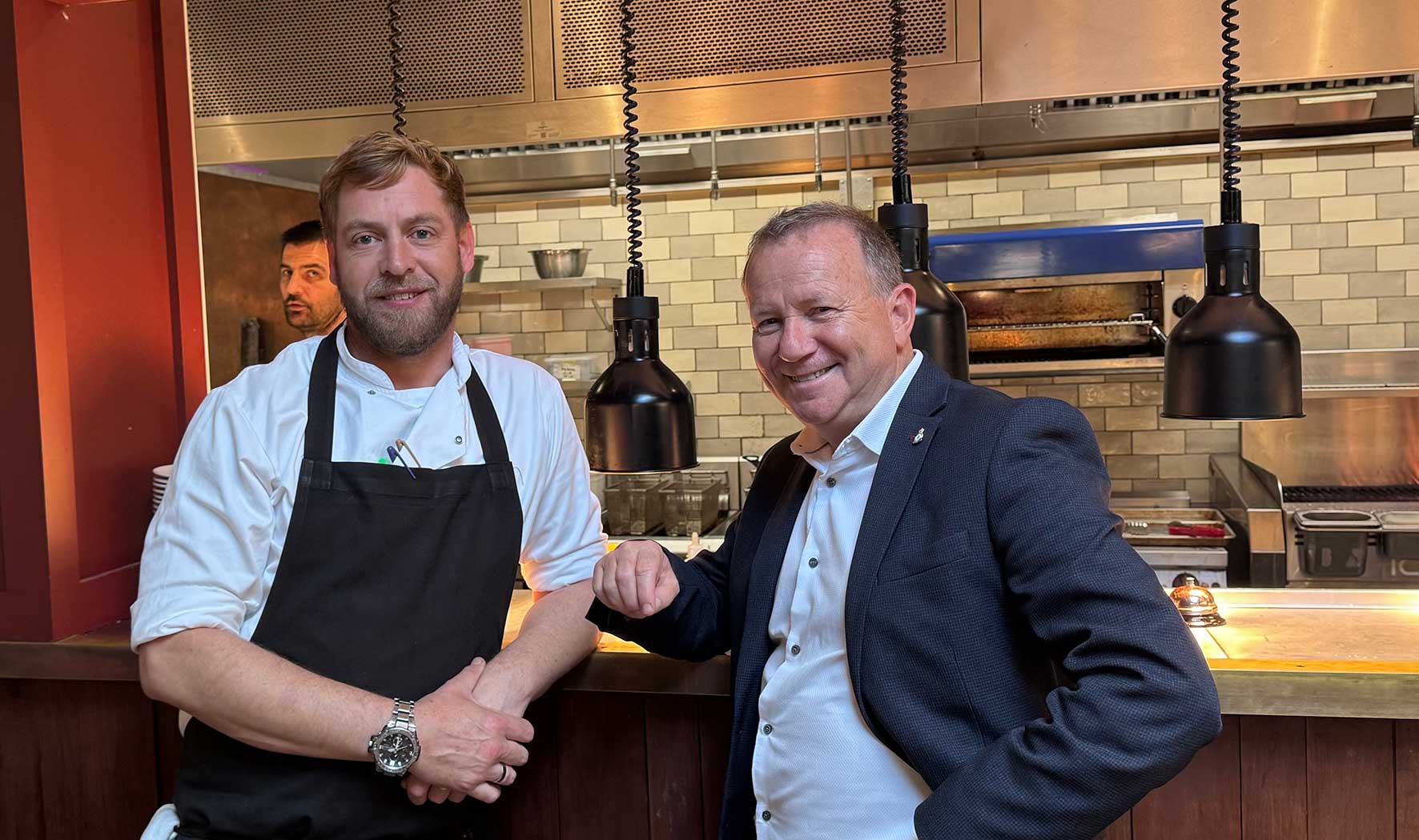
Professor Adrian Furnham believes organisations often select leaders for the wrong reasons. In conversation with Freddie Guilmard for Leadership in Focus, he discusses the traits that matter most in leadership and why trust may be more important than charisma.
After publishing more than 1,200 scientific papers and 95 books, Adrian has spent a lifetime studying what makes people successful, what causes them to fail, and why human behaviour in organisations is often far more complicated than we would like to believe.
Leadership is not about the leader.
“It is a team sport,” he explains.
Too often, organisations fall into what psychologists call the fundamental attribution error — the tendency to attribute success or failure almost entirely to the personality of the person at the top.
The reality is far more complex. Great leadership is about building teams that think strategically, understand their environment, deliver results and maintain high performance over time.
Why we promote the wrong people
One of Adrian’s most fascinating insights is why organisations repeatedly place the wrong people into senior positions.
“We tend to select in, but not select out,” he explains.
In other words, we look for confidence, ambition and charisma, while paying insufficient attention to the traits that can derail leadership.
For Adrian, the real indicators of leadership potential are much deeper: the ability to build healthy relationships, genuine self-awareness, and the willingness to adapt and continue learning.
He also references the work of psychologist Bob Hogan, who found that the people who emerge as leaders are not necessarily those who become effective leaders.
His conclusion is wonderfully provocative:
“Cream does not always float to the top.”
The qualities that truly matter
So what separates good leaders from great ones?
The answer may surprise some.
Not charisma.
Not intelligence.
Not confidence.
“Trustworthiness,” Adrian says.
“Is the leader honest? Can you trust them? Do they have a good moral compass? If they fail this, nothing else matters.”
For someone who has studied leadership for decades, it is striking that the most important trait is perhaps the most human.
The future of leadership
Despite the explosion of AI, Adrian remains remarkably consistent in his view of what matters.
Technology will change jobs and create new opportunities, but the fundamentals of leadership remain unchanged.
Great leaders still need emotional stability, discipline, humility and the ability to build strong teams.
His greatest concern for the future is the growth of “spin” — leaders who manage perception rather than build authenticity.
Yet he remains optimistic.
The era of amateur leadership and “jobs for the boys” is disappearing. Organisations increasingly understand the importance of selecting, developing and supporting leaders properly.
Quick Fire Wisdom
- Leadership theory that has endured: Transformational leadership — inspiring people to achieve more than they thought possible.
- A leadership fad he would retire: The endless stream of fashionable concepts created to attract attention rather than create understanding.
- The best advice he has received: Build teams with diverse skills and perspectives and remember Kipling’s words — treat triumph and disaster just the same.
- One lesson every new leader should learn: “To thine own self be true.” Understand your strengths, recognise your weaknesses, and seek support from others.
Freddie’s Reflection
What I found most fascinating about my conversation with Adrian was how many of his insights challenge some of our most common assumptions about leadership.
In a world obsessed with charismatic individuals, social media profiles and the search for the “perfect leader”, his message was beautifully simple: leadership is not about having all the answers. It is about building trust, surrounding yourself with great people, remaining curious enough to keep learning, and having the humility to know you do not have to be brilliant at everything.
Perhaps the biggest lesson of all is that after decades of psychological research, the foundations of great leadership are not complex.
Be honest.
Be self-aware.
Be kind.
And never stop learning.