After a career that has spanned professional kitchens, food manufacturing and executive leadership roles within global businesses, David Hamilton has developed a clear view of what effective leadership looks like.
From managing teams in high-pressure hospitality environments to serving as Chief Innovation Officer for a £1.6 billion business, his experience has shaped a leadership approach built on accountability, empathy and continuous development. Speaking with leadership futurist and transformation specialist Freddie Guilmard for the Leadership in Focus series, David reflects on culture, capability and the challenge of leading people through change.
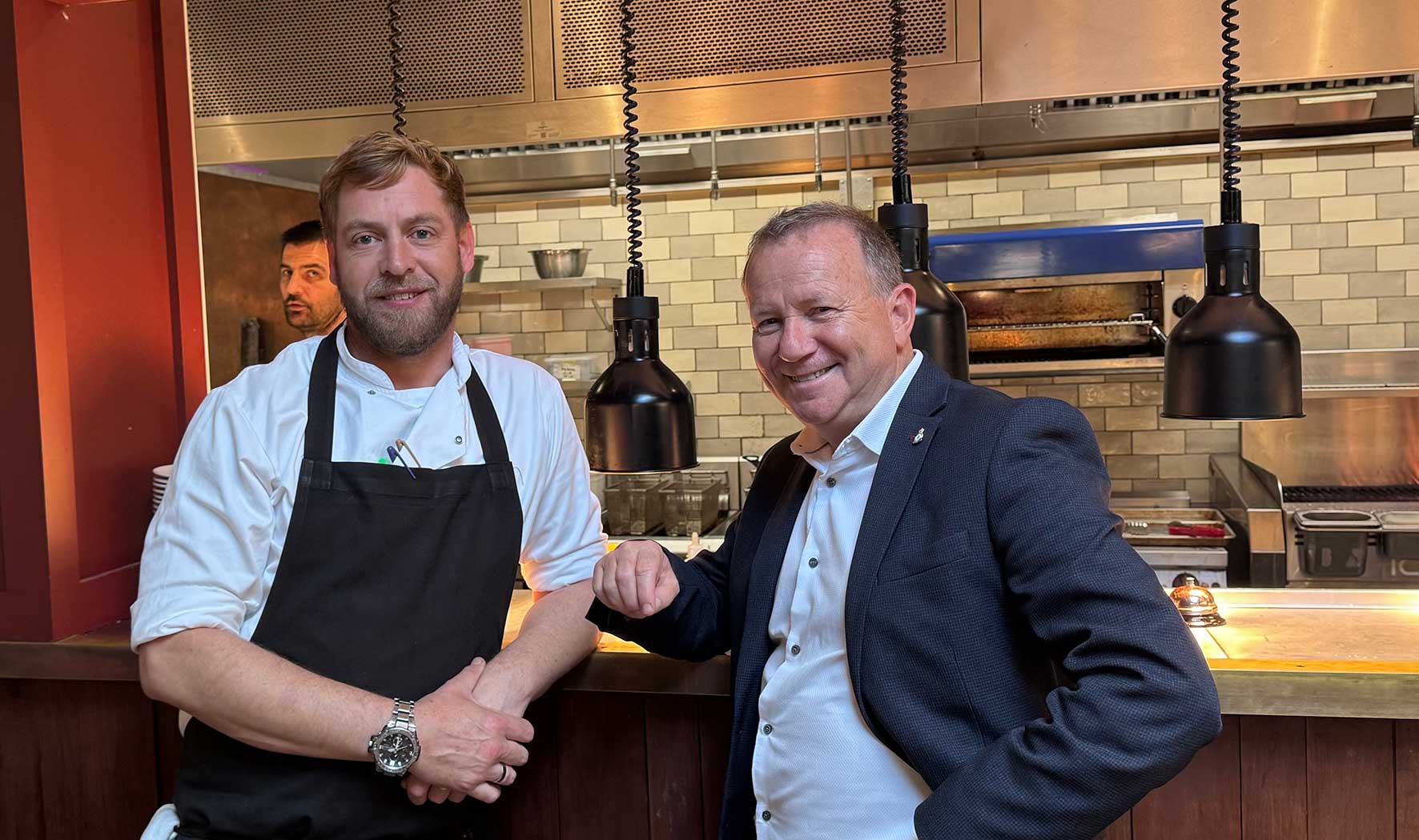
David’s leadership journey started in one of the toughest environments imaginable — professional kitchens.
Training as a chef before becoming a head chef at just 25 years old, he was suddenly responsible not only for food quality and business delivery, but for leading teams of up to 30 people through relentless pressure and sixteen-hour days.
“That was the moment I realised the buck stopped with me,” he reflects. “Culture and team care were paramount. I had to balance empathy with directive leadership — and I learnt hard and fast.”
Health challenges eventually pushed David to rethink his career path, leading him into the dairy industry before joining Kerry Foods in the early 1990s. What followed was a remarkable leadership journey through R&D, innovation and executive leadership — ultimately becoming Chief Innovation Officer for a £1.6bn business and later moving into a global leadership role within Kerry Group.
Today, semi-retired and consulting across businesses from start-ups to multinationals, David continues to support organisations in culture, capability and innovation transformation.
Leading with empathy under pressure
For David, one of the biggest leadership challenges today is balancing execution with empathy.
“The need for empathy and wellbeing can prove challenging when businesses are under pressure to deliver results,” he explains. “Driving performance while increasing pressure on teams requires open and honest communication.”
He believes leadership has fundamentally changed since COVID. The old “command and control” approach has given way to something more adaptive and purpose-led.
“Leaders now need transparency, empathy and mission-based leadership to keep teams engaged,” he says. “And with AI changing the daily landscape, constant learning and upskilling will be critical.”
From problem-solver to facilitator
One of David’s biggest personal shifts has been learning to step back.
“As a consultant, I’ve had to unlearn the urge to jump in and solve problems myself,” he admits. “It’s easy to do when you know you can fix something quickly — but it ultimately limits team growth.”
Instead, he now sees leadership less as being the hero and more about creating the conditions for others to succeed.
“I’ve shifted from being a problem-solver to becoming a facilitator.”
Kind, not just nice
One of the most powerful reflections in our conversation centred around the difference between being nice and being kind — a distinction David believes many leaders misunderstand.
“Being nice is easy,” he says. “Being kind means having people’s best interests at heart, even when the conversations are difficult.”
He believes leadership requires honest discussions, ongoing feedback and genuine support for growth.
“It’s easy during a PDP to tell someone everything is fine. But real kindness is helping individuals understand where they can grow and supporting them on that journey.”
For David, the role of leadership is clear:
“To create amazing teams of capable individuals… and to find the next leaders.”
Creating ownership and accountability
Looking ahead, David believes organisations will increasingly need leaders who build inclusive, empowered teams.
“The more decisions you can push down the organisation, the more valued people feel,” he explains. “Most individuals already have ideas to improve situations — they just need the opportunity and trust to contribute.”
But empowerment also comes with accountability.
“With permission comes accountability,” he adds.
Quick Fire Reflections
- A lasting insight: “Balance achievement with relationships.” — a lesson from Harvard professor Clayton Christensen that has stayed with David for nearly 30 years.
- A mistake that shaped him: Early in his chef career, a colleague challenged his constant “telling” leadership style and taught him the importance of listening and involving the team.
- Advice for new leaders: Listen, ask questions, and don’t feel you need all the answers. Great leadership happens through teams, not above them.
Freddie’s Reflection
I first met David during my time supporting culture and transformation at Kerry Foods, when he invited me to work with his function during a significant period of change. What immediately struck me was his relentless desire to improve performance — but never at the expense of people.
Together, we used elements of the Frontier Leadership model to help transform the R&D division, creating stronger collaboration, capability and belief across the team. The results were hugely successful, but more importantly, the transformation was grounded in humanity and trust.
David has always understood something many leaders miss: high performance and human leadership are not opposites. In fact, the best results often come when both exist together.
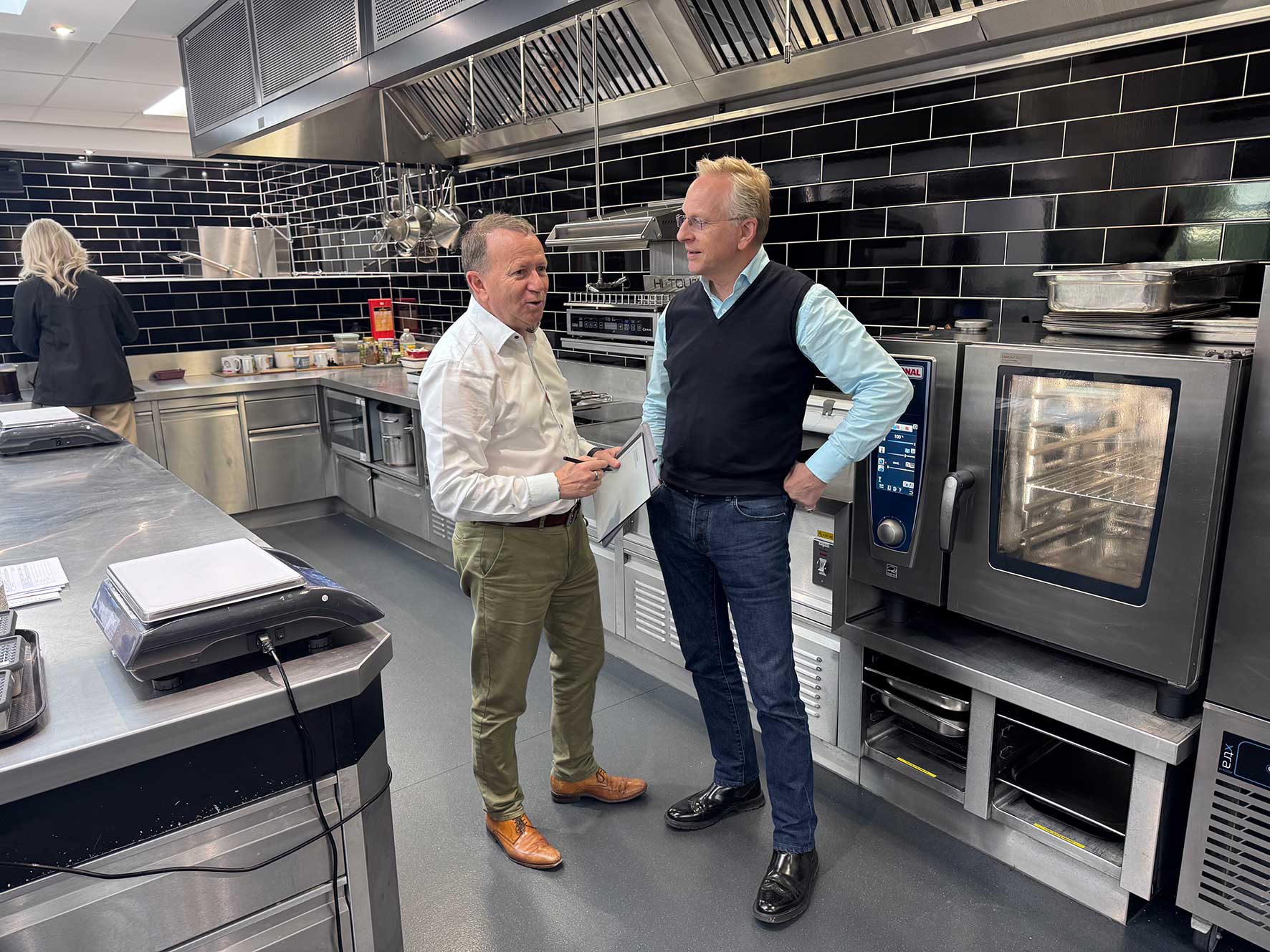
Main Image: David Hamilton speaks with Freddie Guilmard about leadership, innovation and building high-performing teams.