Milton Keynes is strengthening its reputation as the epicentre of the UK’s conversation on artificial intelligence, building on its tech credentials and the unique legacy of Bletchley Park to shape how the country approaches AI innovation and safety.
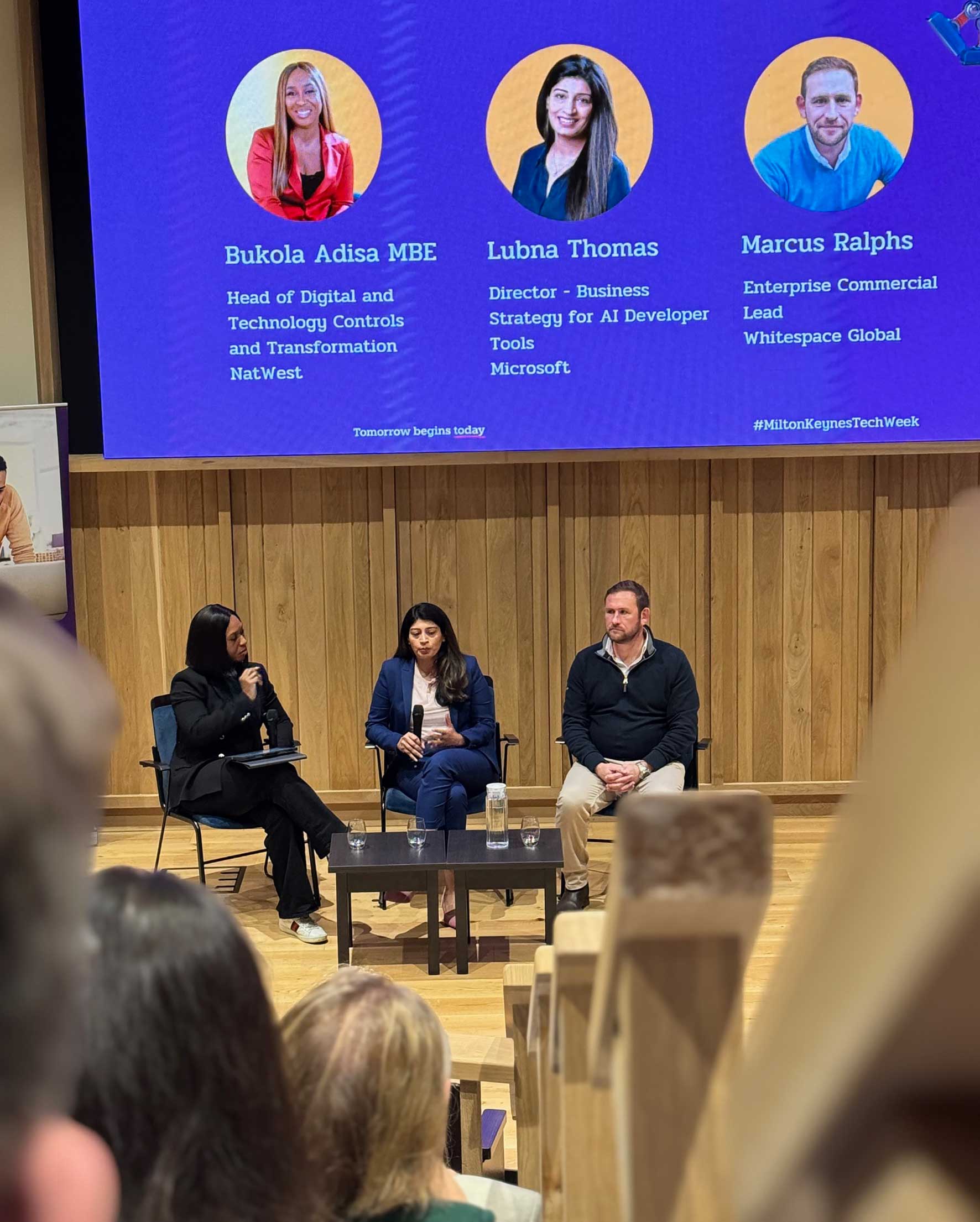
As part of Milton Keynes Tech Week, NatWest hosted a national AI Safety and Innovation Summit at Bletchley Park, bringing together business leaders, policymakers, and academics. The focus was clear: how the UK can harness AI responsibly while maintaining its position at the forefront of global technology.
Bletchley Park, known worldwide as the birthplace of modern computing, provided a powerful backdrop. More than 80 years after codebreakers transformed the course of history, it is once again the stage for defining conversations about intelligence — this time artificial. In 2023, the venue hosted the UK government’s first global AI Safety Summit, and in 2025 Milton Keynes continues to be the city where the future of AI is debated.
The summit reinforced Milton Keynes’ reputation as more than just a home for tech businesses. With global corporates, innovative SMEs, world-class academic networks and dynamic public institutions, the city is one of the best places in Britain to start and scale a technology company. It is also increasingly the place where national and international discussions on responsible innovation are being held.
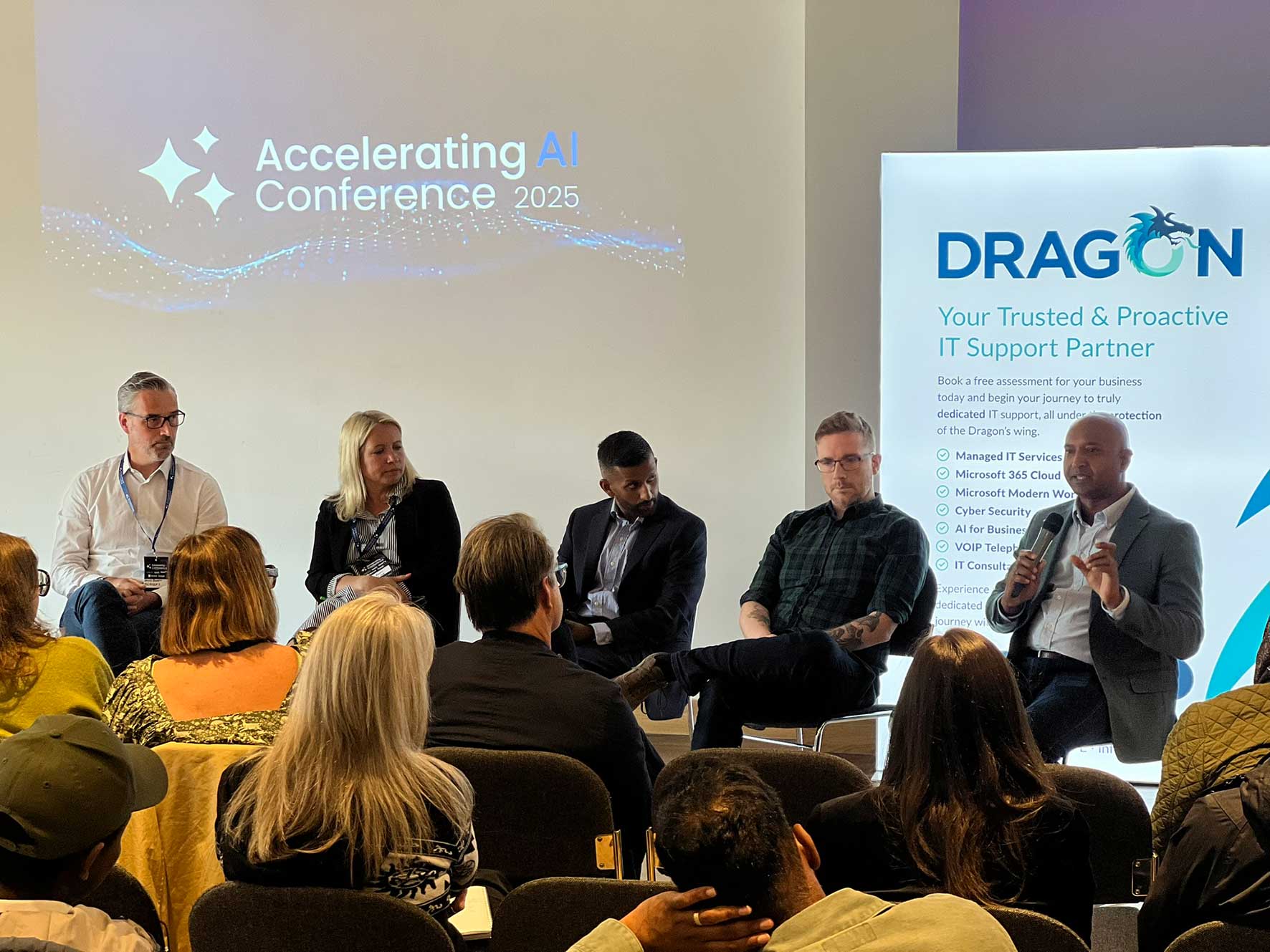
The debate explored both the opportunities and the risks of AI. Start-ups and scale-ups were highlighted as the “secret weapons” of the economy, with AI enabling them to compete on a global scale. But experts warned of shadow AI adoption, unintentional bias, and cybersecurity risks, underlining the need for clear governance and trust.
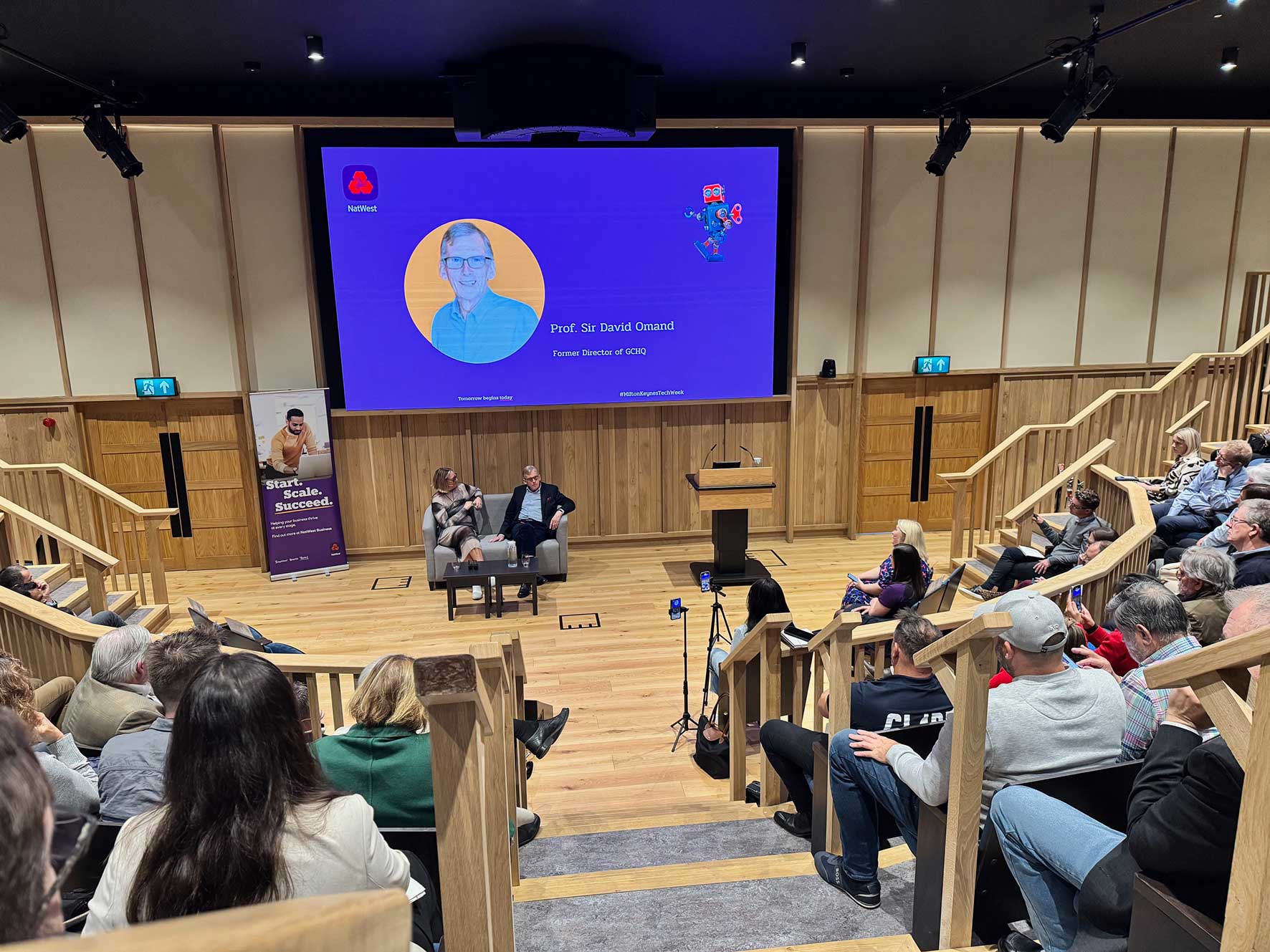
Professor Sir David Omand, former director of GCHQ, captured the tone of the discussion: “Harness the enthusiasm of your people but manage the risks. Start small, move fast, and make sure projects work before scaling them.”
Looking ahead, speakers pointed to the rapid shift from today’s generative AI tools to “agentic AI” — systems capable of taking autonomous action. Within five years, embodied AI working alongside humans in business and society is expected to become a reality, while quantum computing will reshape how data is processed and applied.
For businesses, the message was simple: AI cannot be bolted onto existing models. Instead, leaders must rethink their value, invest in skills, and prepare their cultures for transformation. Those who adapt will thrive in what many now call a hyper-revolution; those who do not risk being left behind.
Milton Keynes is at the heart of this revolution. Just as Bletchley Park once shaped the digital age, today the city is where Britain is defining its future with AI — leading the conversation nationally and helping to ensure innovation is both dynamic and responsible.