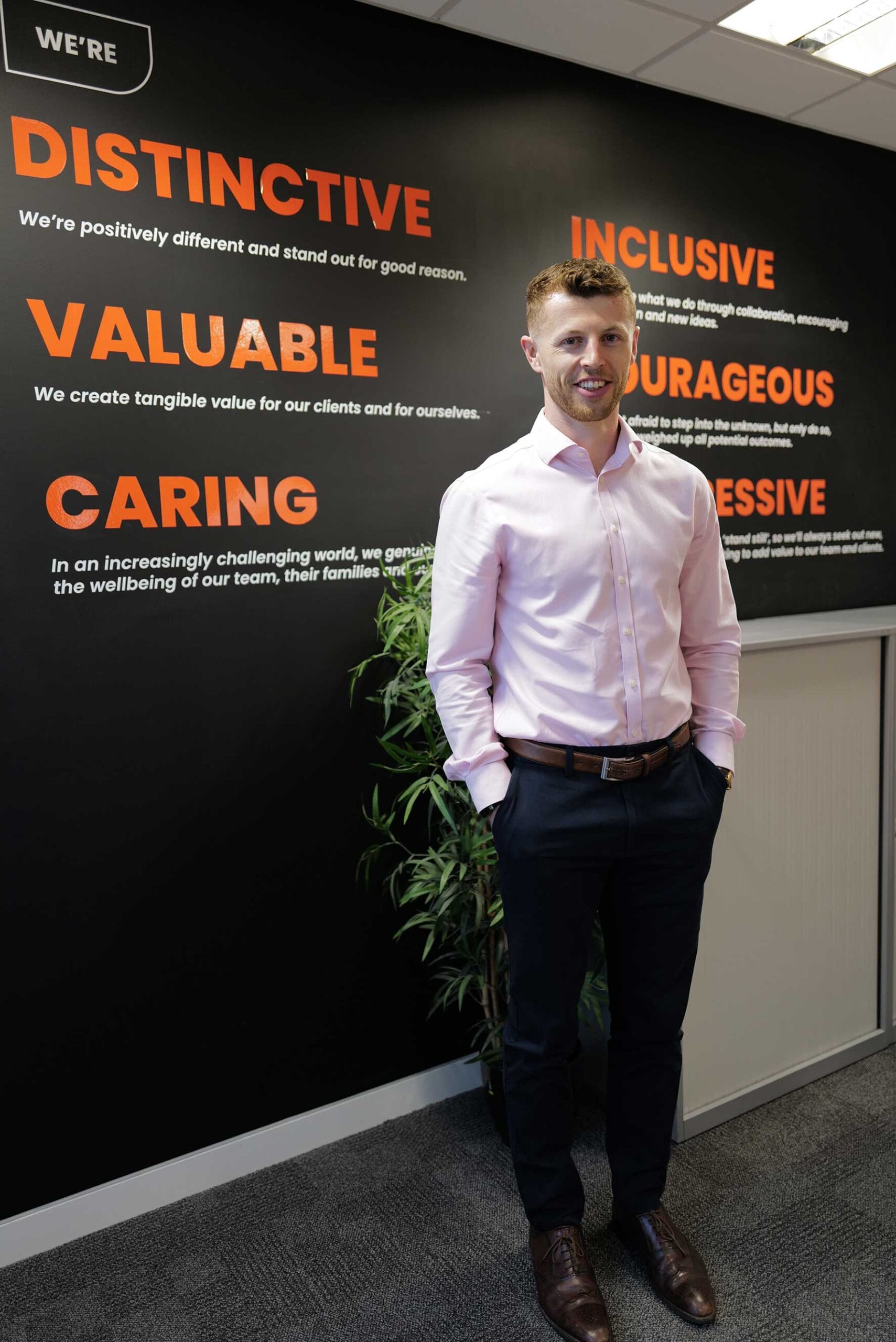
Professor Keith Schofield (pictured), head of The Open University Business School, turns his focus to the Budget, MoneyFest and some free business learning.
This month’s column has a distinctly financial feel about it – it was hard to miss the recent Budget, one of the most anticipated by the UK Government for a long time.
Following Chancellor Rachel Reeves’ statement, my OU colleague, Senior Lecturer in Economics Dr Alan Shipman, has been analysing these announcements and explains the background to the income tax increases and other measures.
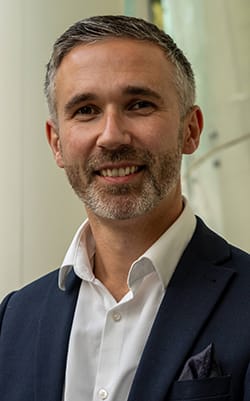
He says: “Incomes rise because prices rise. People are not necessarily any better off but more people will start to pay income tax at the basic rate and more will move up into the 40% higher rate. This automatically brings in more revenue and that’s where £26 billion of extra revenue by 2030 will come from.
“So, the Chancellor can spend more. A lot of that is to meet the additional welfare costs – lifting the two-child benefit cap, extra demands on special educational needs and disability, and the winter fuel allowance. But much is also aimed at getting people back into work and making them more productive so they can earn more. Average real incomes are forecast by the Office for Budget Responsibility (OBR) to rise in 2025-26, despite inflation staying above target.”
Alan also says that the Chancellor has more money to spend on the Government’s ambitious infrastructure plans, while staying within her borrowing rules. She is on track to get the public debt falling in relation to national income by 2030, and that raises the chance of interest rates and government borrowing costs coming down.
Wherever she can, the Chancellor has been trying to tax the rich more, adds Alan, with the surcharge on the Council Tax for the highest priced properties, and less tax relief on large pension contributions. But she cannot avoid collecting more from ordinary wage-earners, both to fund rising healthcare and security needs and to invest for faster, greener growth.
*The OU has a number of ‘Entrepreneurs in Residence’ who work with us to help aspiring business owners.
One such supporter is Alex Cole, the CEO of TIN Ventures, who delivered the final presentation at an excellent recent event hosted by the Business School for the first time.
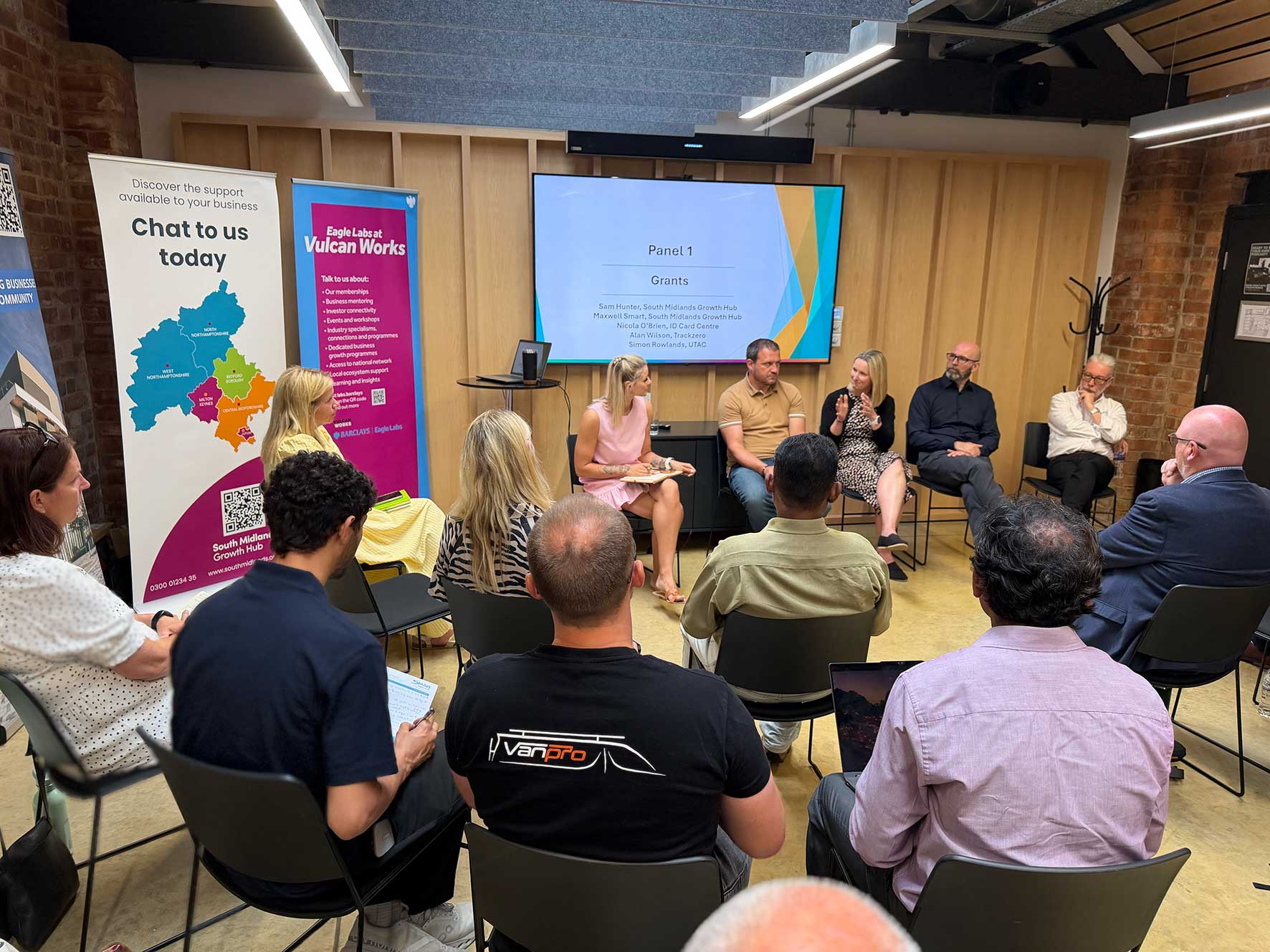
More than 100 local businesspeople and entrepreneurs were on our Milton Keynes campus for ‘MoneyFest’, now in its fourth year, which was all about funding and finance for local small and medium-sized enterprises (SMEs).
We worked together with the South Midlands Growth Hub, the British Business Bank and NatWest as the joint sponsors and organisers for the event on Tuesday 18 November.
Alex was delighted to accept an invitation to discuss ‘building investor-ready businesses in the inclusive economy’ and also told attendees to watch out for exciting external funding proposals for the OU’s Open Business Creators next year.
*New Year can often be a prompt to do continuing professional development (CPD) and our OpenLearn home of free courses is a great place to start!
In a bumper year of visits for our business and workplace learning, you can find Effective communication in the workplace which was the sixth most enrolled free course with 9,500 enrolments. It’s what we call a ‘badged’ course and means you can obtain that all-important evidence of completion.
Leadership and followership (also a badged course), updated in this last year, is in the top 10 with a 128% increase on enrolments from the previous academic year (2023-24) and the ever-popular MoneySavingExpert (MSE’s) Academy of Money remains in the top 20.
One of our top new courses reflects a broader theme, Critical perspectives on mental health in society, which explores the complexities of mental health.