A Milton Keynes company specialising in medical repair is quietly helping hospitals around the world keep critical healthcare equipment running.
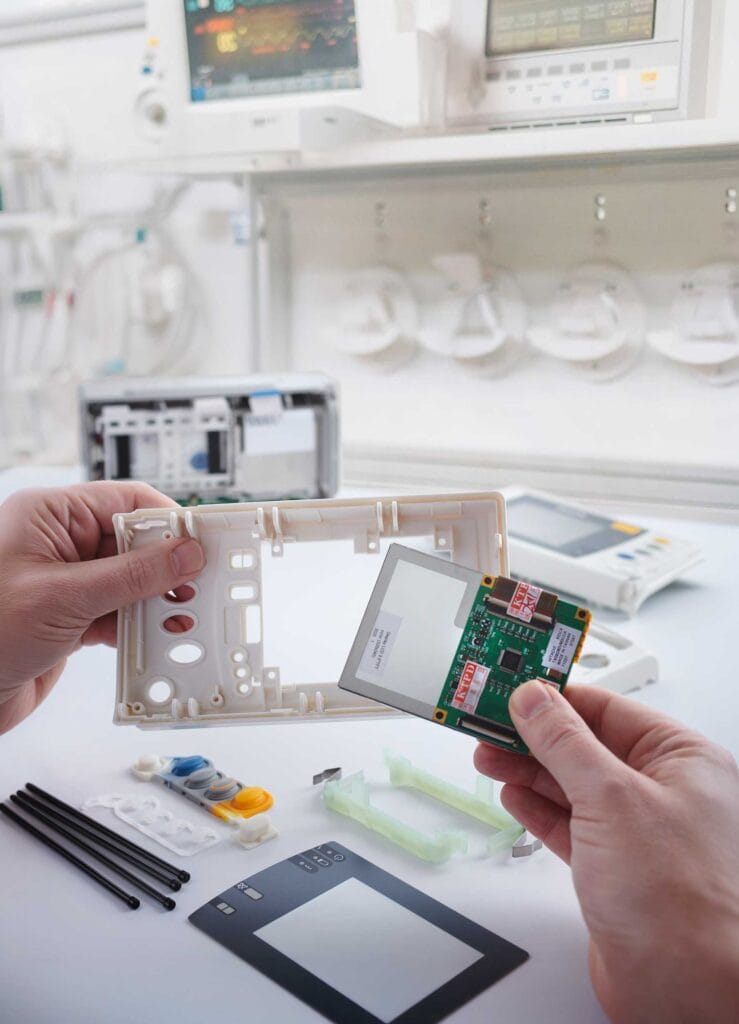
Tenacore, based at Milton Keynes Business Centre in the city, supports more than 800 hospitals across the UK, Germany, Ireland, Italy and Australia by repairing patient monitors, fetal monitoring systems and ultrasound probes used every day in clinical care. From its Milton Keynes workshop, the company provides hospitals with a reliable hospital repair alternative to full manufacturer replacement.
“At our core, we help hospitals extend the life of vital equipment — safely, compliantly and without compromising patient care,” said Bob Banks.
Alongside repairing devices, Tenacore also supplies compatible accessories and spare parts, giving healthcare providers a practical and cost-effective option when maintaining essential equipment.
Investment supports growing demand
As demand for medical repair services has grown internationally, the Milton Keynes operation has also expanded.
Tenacore operates from two adjacent workshop units at Milton Keynes Business Centre, where the company recently invested in upgrading its facilities to support continued growth.
The company has expanded several times within the site over the years, growing from a 150 sq ft office to more than 3,600 sq ft of workspace as the business has scaled internationally.
The investment focused on improving workflow and strengthening internal processes that support its international repair and supply operations.
Over recent years the business has recorded consistent year-on-year expansion, particularly across the UK, Germany and Australia.
“As volumes increased, it became important that our physical environment matched the quality standard we operate to,” Bob said.
Rather than simply increasing floorspace, the company redesigned the facility to improve efficiency and strengthen quality control.
The upgraded layout now provides:
- Clear separation between incoming and outgoing repairs
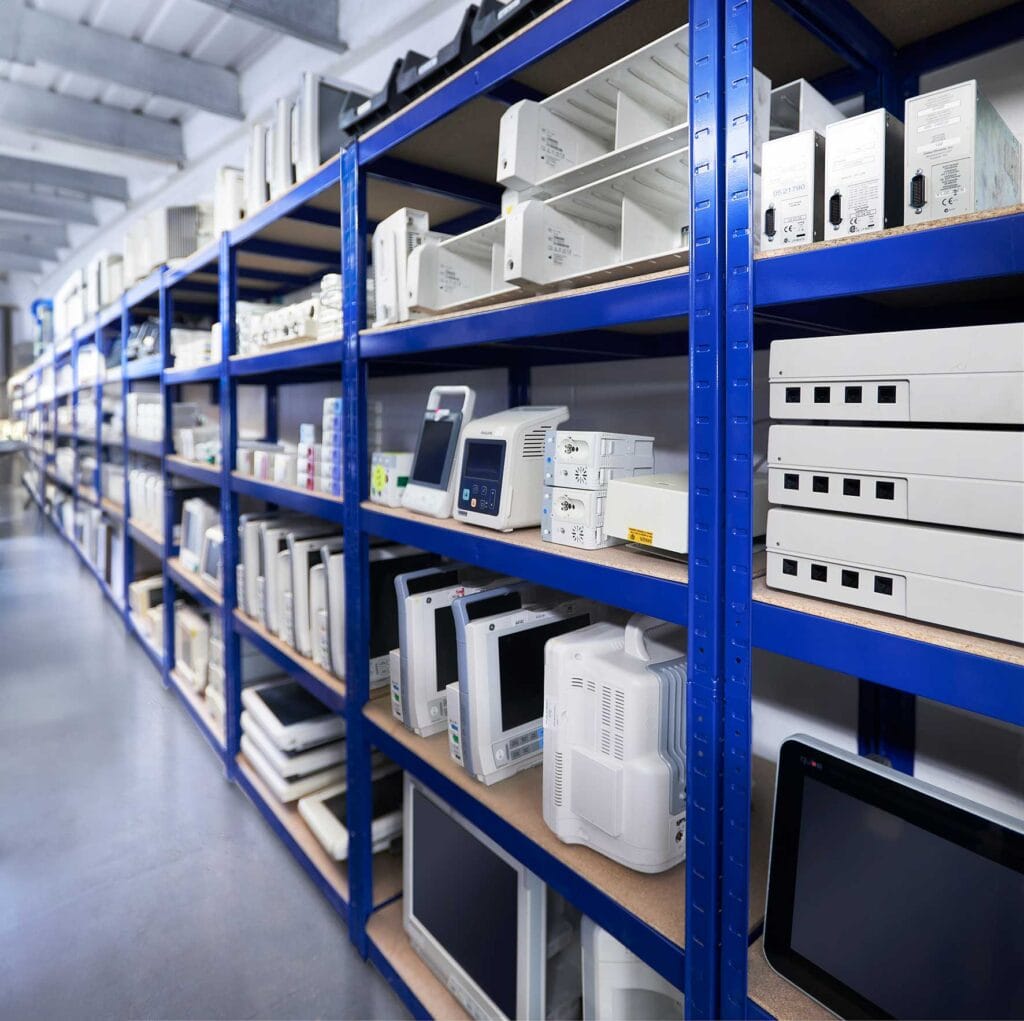
- Improved stock management and inventory control
- Streamlined quality assurance and compliance checks
In clinical engineering, environment and process are critical factors.
“If you’re repairing life-supporting equipment, your environment matters,” Bob said.
The changes have already produced measurable improvements. Efficiency has increased across the workshop and turnaround times have reduced significantly. Today, 93 per cent of repairs are completed within 10 business days.
For employees, the upgraded facility has also strengthened pride in the workplace.
“A clean, organised and purpose-built space shows we’re investing in the future of the business and in the people who work here.”
Operating from Milton Keynes Business Centre also allows the company to scale its operations while supporting specialist healthcare technology and managing international repair and supply operations.
The Milton Keynes site regularly hosts visiting healthcare providers who want to understand the repair process more closely.
“When customers visit, they can see first-hand the structure and discipline behind what we do. That visibility helps build trust.”
Repair becoming a strategic decision
At the same time, Tenacore is seeing a shift in how healthcare providers view hospital repair and equipment maintenance.
Hospitals generate significant volumes of electronic waste each year, and equipment is often replaced even when safe repair options exist. For Tenacore, supporting the right to repair medical equipment is both a commercial opportunity and an environmental responsibility.
“We believe hospitals should have the right to maintain and extend the life of equipment they’ve already invested in,” Bob said. “It’s better for budgets and better for the environment.”
Repairing devices such as ultrasound probes or monitoring systems avoids the environmental impact associated with manufacturing and shipping new equipment.
It can also significantly reduce costs.
“In many cases, repairs cost between 40 and 70 per cent less than replacement through the manufacturer.”
Beyond the financial savings, repair can reduce operational disruption within hospitals.
Procurement of new equipment can take months, particularly within complex healthcare systems. By contrast, a well-managed medical repair process can often return equipment to service within days.
“In the current financial climate, that difference matters,” Bob said.
“Repair is no longer viewed as a compromise. For many engineering teams it is now a strategic decision that helps balance compliance, quality and cost control.”
Milton Keynes remains central to growth
While Tenacore continues to expand its presence across Europe — particularly in Germany, Ireland and Italy — the Milton Keynes base remains central to its future plans.
Investment in additional technical capability and team growth is continuing as the company strengthens its international reach in health tech services.
Despite its global customer base, the company sees Milton Keynes as the operational hub that supports its expansion.
“The goal is sustainable, profitable growth without losing the quality, responsiveness and accountability that built the business,” Bob said.
For Milton Keynes Business Centre, Tenacore represents the type of specialist engineering business that thrives in a flexible environment.
For Tenacore, however, the focus remains clear: delivering precise medical repair, extending the life of critical healthcare equipment and helping hospitals make better use of the technology they rely on every day.