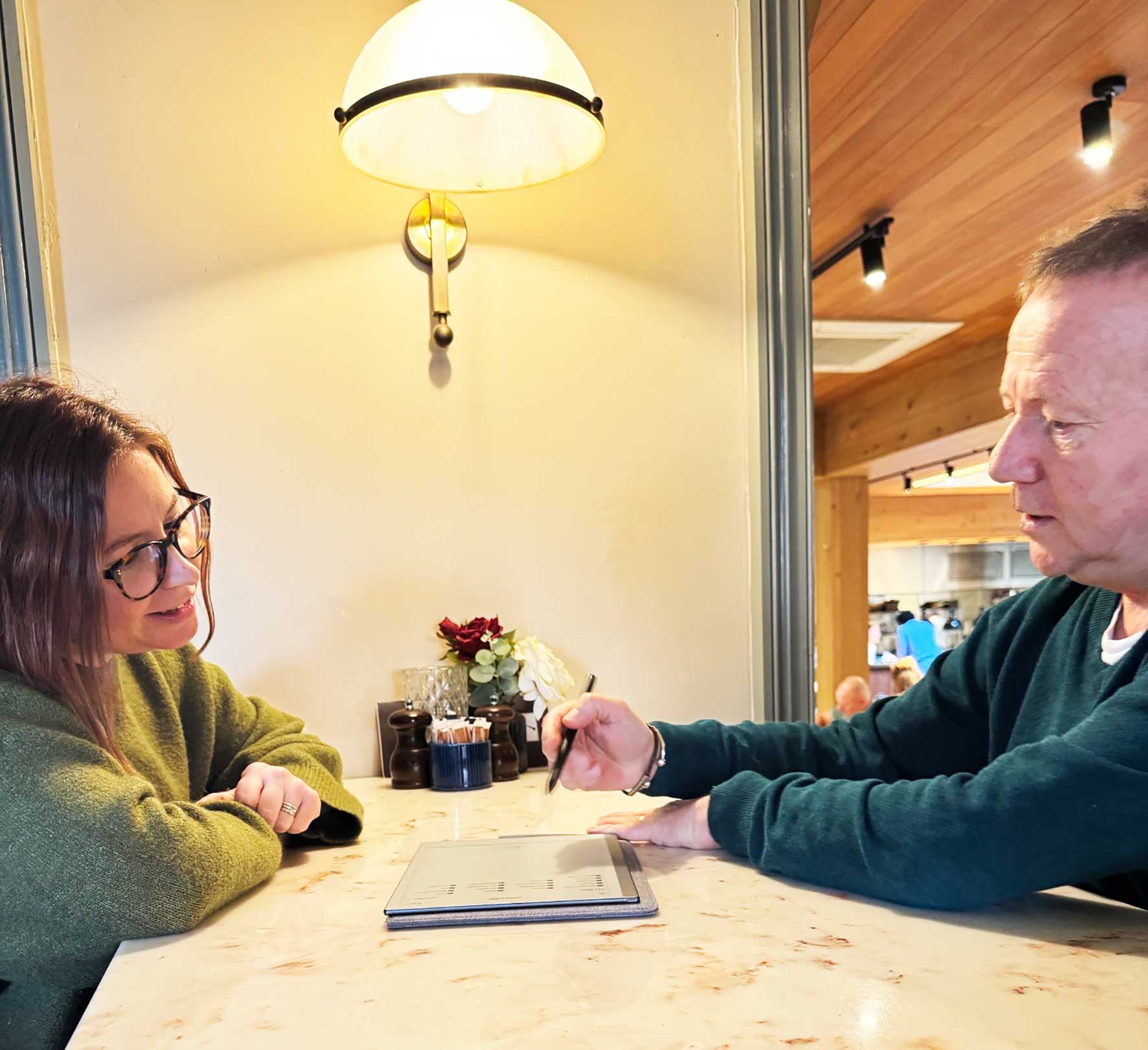
As part of my Leadership in Focus series, I sat down with Naomi Butters, CEO and co-founder of ICENA, to explore what it really means to lead with empathy, integrity and purpose in complex, high-pressure environments.
Naomi Butters is the CEO and co-founder of ICENA, a women-led UK social enterprise working at the intersection of leadership, culture change and social impact. Since launching in 2019, ICENA has supported organisations across sectors to prevent and respond to sexual harassment, misconduct and structural inequality — always through a trauma-informed, survivor-centred approach.
Beyond consultancy and training, ICENA also generates sustainable income for specialist sexual violence services across the East of England — ensuring that impact is not just talked about, but tangibly delivered.
“My leadership is shaped by the belief that sustainable impact comes from empowering people to think differently, act bravely, and take responsibility for the environments they create,” Naomi explains.
The biggest leadership challenge right now
For Naomi, the challenge is one many purpose-led organisations face: scaling impact without compromising values.
“Demand for our work is growing, which is positive,” she says, “but growth must never dilute quality or our core purpose.”
This tension influences everything from pacing and prioritisation to how ICENA invests in its people. The focus has been on saying yes to the right opportunities, strengthening internal systems, and ensuring the team has the capacity, training and support to deliver work that is both high-impact and sustainable.
How the external world has reshaped leadership
Economic uncertainty, shifting social expectations and increased scrutiny of workplace culture have pushed Naomi towards even greater transparency and adaptability.
“Leadership has become less about having fixed answers and more about sense-making with the team,” she reflects. Sharing context openly, acknowledging uncertainty and co-creating responses have become core leadership practices.
In uncertain environments, Naomi believes clarity of purpose becomes an anchor — a steady reference point when everything else feels in flux.
What she’s had to unlearn
One of the biggest personal shifts has been letting go of the instinct to step in quickly with solutions.
“I’m learning to pause, ask better questions, and trust the expertise of the people around me,” Naomi says. ICENA is strongest when diverse perspectives shape its work — particularly voices with lived experience. Her role is increasingly about creating space for others to lead, rather than directing every outcome.
Balancing performance and wellbeing
At ICENA, wellbeing and performance are seen as interdependent, not competing priorities.
Realistic workloads, clear boundaries and open conversations about capacity are actively encouraged. Emotional labour — especially in trauma-informed work — is recognised as real work, not something invisible or secondary.
From a performance perspective, success is measured by depth of change, quality of relationships and long-term outcomes, rather than volume alone.
Conversations that have shifted
Over the past year, conversations with clients have become more honest and more courageous — particularly around power, accountability and organisational culture.
“There’s a growing willingness to explore how leadership behaviours, informal norms and structural inequality contribute to harm,” Naomi notes, “not just whether policies exist.”
Internally, ICENA is also focusing more on leadership pathways, succession and how people are supported to grow into new roles.
Looking ahead
The leaders ICENA will need next, Naomi believes, must be emotionally intelligent, politically aware and comfortable working in complexity. Strategic thinking must sit alongside deep empathy — and a willingness to facilitate difficult conversations about harm, responsibility and change.
ICENA is preparing by investing in internal leadership development, mentoring, reflective practice and supported stretch opportunities.
⸻
Quick Fire with Naomi Butters
• A leadership quote: “Each time a woman stands up for herself… she stands up for all women.” – Maya Angelou
• A lesson from a mistake: Underestimating emotional labour taught me that pace without care leads to burnout. Listening and adjustment are strengths, not delays.
• Advice for new leaders: Lead with empathy, courage and curiosity — and never presume you know more than those whose lived experience differs from yours.