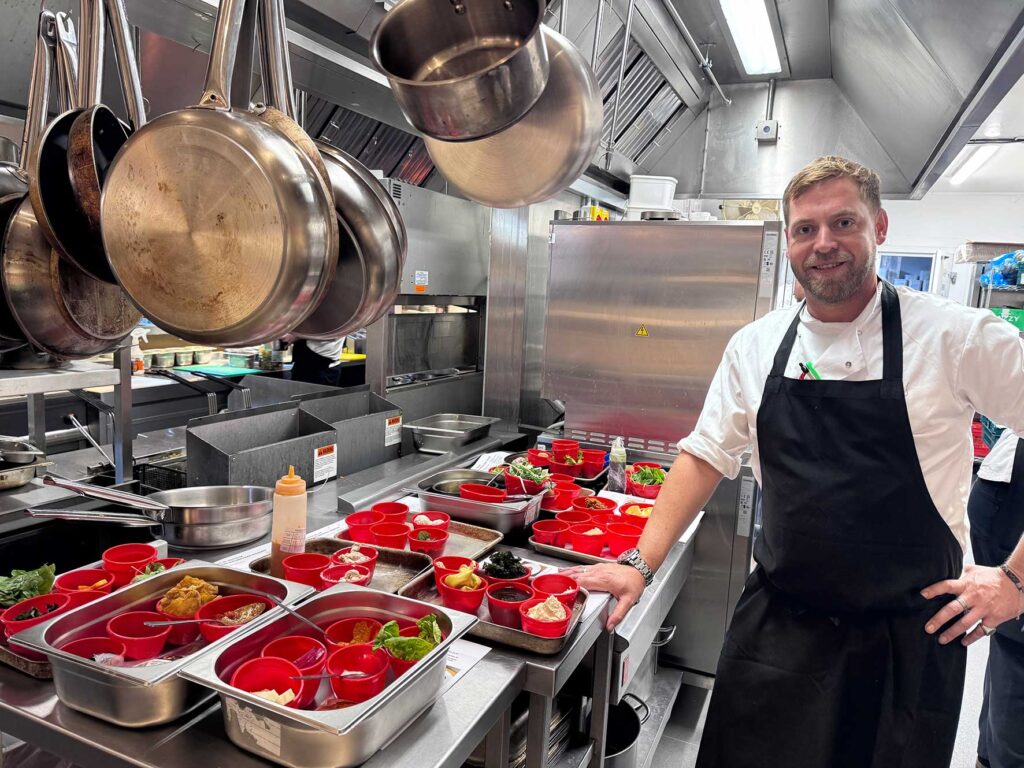
Running a busy restaurant kitchen demands far more than culinary skill. For Ben Francis, Senior Head Chef at The Cherry Tree in Olney, it’s about balancing rising costs, maintaining standards and understanding the people he leads. In conversation with Freddie Guilmard for Leadership in Focus, Ben reflects on the challenges of managing a team under pressure, the lessons learnt from mistakes and why creating the right culture matters just as much as what comes out of the kitchen.
The balancing act
“Labour is one of our biggest controllable costs,” Ben explains. “Getting the right people, with the right skills, at the right time is fundamental.”
But there’s another dimension to those decisions.
A rota might work beautifully on a spreadsheet, yet fail completely when it comes to people’s lives. Understanding individual circumstances, protecting work-life balance and maintaining morale are just as important as controlling costs.
It’s a familiar leadership dilemma: how do we deliver commercial performance without losing sight of the people who make it possible?
Unlearning what we think we know
One of Ben’s biggest leadership lessons has been recognising that not everyone is motivated by the same things.
“I assumed what motivated me would motivate everyone else. Looking back, that was arrogance.”
It’s a refreshingly honest admission. Understanding individuals, rather than expecting everyone to think and behave like us, has fundamentally changed how he leads. And nowhere is that more important than in a high-pressure kitchen.
A different kind of kitchen culture
Hospitality has traditionally been associated with long hours, relentless pressure and sometimes aggressive leadership.
“Chef burnout is real,” Ben acknowledges. “We’ve come a long way from 70–80-hour weeks and screaming Head Chefs.”
Today, he prioritises breaks, honest conversations, mutual support and a sense of camaraderie. His ambition is to create a team with a genuine “brothers in arms” mentality, where everyone looks after one another.
High standards remain non-negotiable, but how those standards are achieved matters just as much.
When technology meets humanity
AI is increasingly helping Ben analyse sales, forecast demand and understand profitability. It’s freeing up valuable time and making complex information more accessible, but he offers a timely warning.
“I worry that reducing everything to numbers, percentages and spreadsheets can strip away the human element.”
For Ben, technology should improve hospitality, never replace the relationships that make it special.
The leadership lesson that stayed with him
Perhaps Ben’s most powerful story came from an earlier role in a London gastropub. Warned about a difficult kitchen culture, he arrived determined to make changes. Within weeks, he’d lost the team’s confidence.
Only when he stopped, listened and observed did he discover that the team wasn’t the problem. They felt undervalued and misunderstood by the owners.
“What I thought was a staff culture issue was actually a leadership and communication issue.”
Rebuilding trust took time, but the experience transformed his approach.
His lesson?
Never form an opinion about people before taking the time to understand them.
Quick Fire Reflections
A book worth reading: Unreasonable Hospitality by Will Guidara. A reminder that great hospitality isn’t simply about delivering excellent service, but how we make people feel.
Developing future leaders: Sometimes people need the opportunity to step up before they feel completely ready.
The future of leadership: Embrace technology, but never lose the human touch.
Freddie’s Reflection
What struck me most about Ben wasn’t his ability to run a busy kitchen. It was his willingness to question himself.
To acknowledge mistakes, challenge assumptions and recognise that the people we lead don’t necessarily see the world as we do. And perhaps there’s a lesson here for every leader, regardless of industry.
We spend enormous amounts of time measuring performance, managing costs and improving processes. All necessary, but sometimes the most important leadership intervention isn’t another system, spreadsheet or strategy.
It’s having the humility to stop, listen and understand.
Because whether you’re leading a kitchen or a multinational business, the principle remains the same.
Great leadership isn’t simply about what we deliver. It’s about how we make people feel while delivering it.
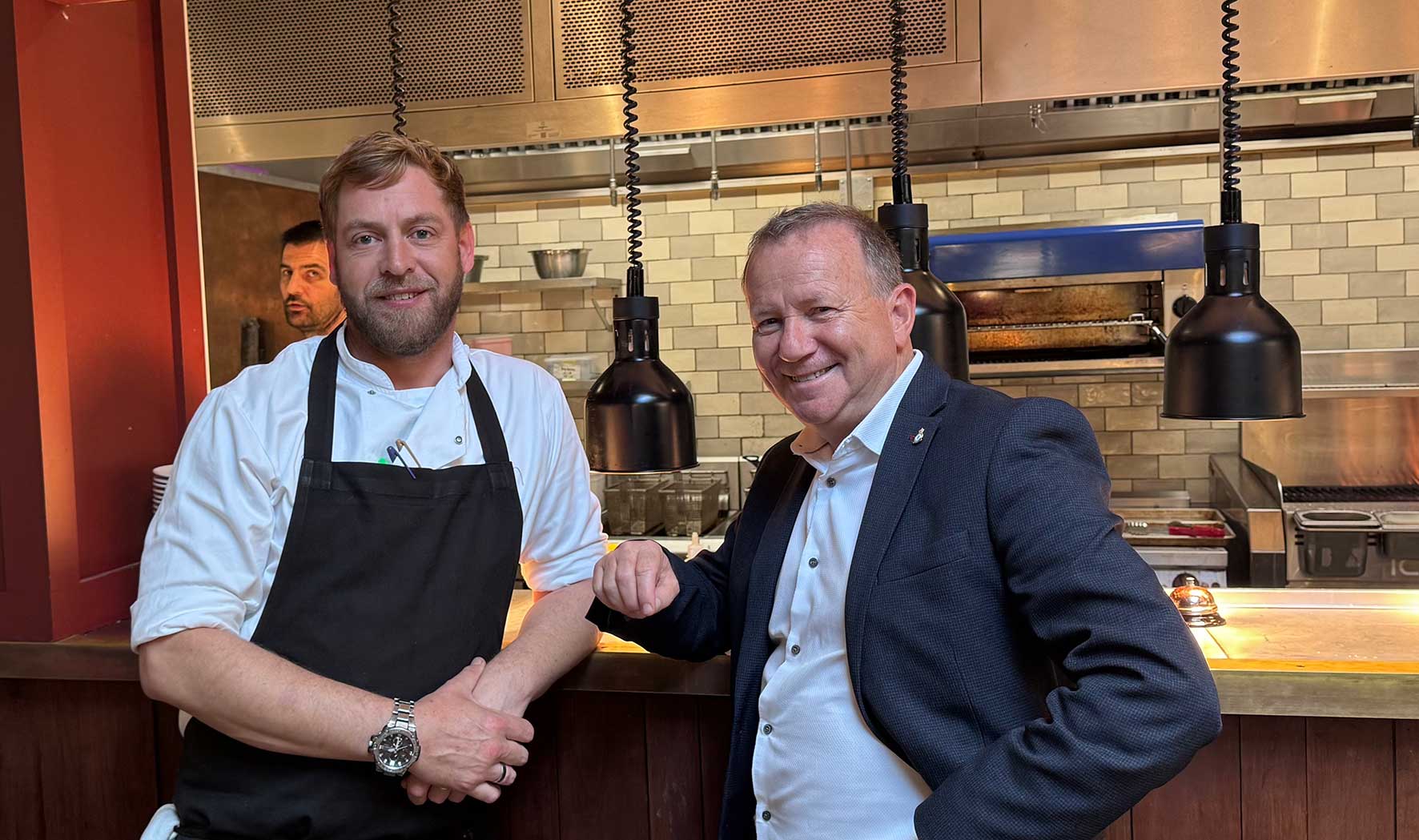
Pictured: Ben Francis (left), Senior Head Chef at The Cherry Tree in Olney, with Freddie Guilmard, discussing the challenges of leadership in hospitality.